What is Eiderdown?
The World's Only Weightless Insulation
Sourced from wild Icelandic eider ducks, eiderdown is prized for its unmatched warmth, lightness, and durability. It's unique because its microscopic hooks cling together, creating a thermal barrier that is lighter, more adaptable, and more durable than any other down.
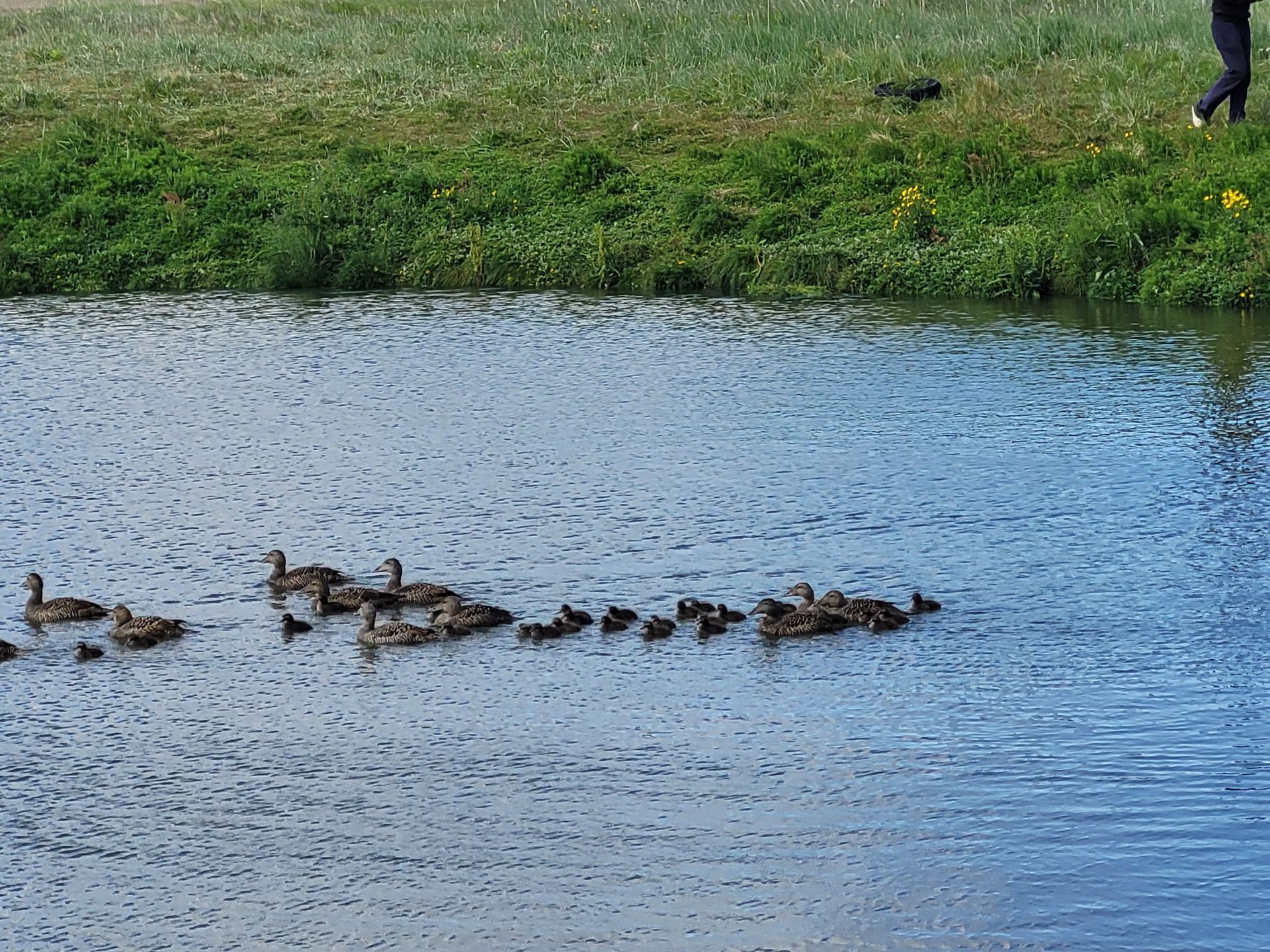
Ethical sourcing from naturally abandoned nests
Eiderdown comes from the Common Eider duck (Somateria mollissima), a sea duck native to northern coasts, including Iceland.
The Eider duck is a wild species, not farmed or bred. The female instinctively plucks her dark, incredibly soft breast down to line her nest, insulating the eggs from the harsh climate. When the ducklings hatch and depart, the down is left behind, clean and ready for us to collect. This symbiotic relationship ensures our down is 100% cruelty-free and regenerative.
The benefits
Why eiderdown is exceptional
Extremely lightweight
Weightless Warmth: Feels like sleeping under a cloud, providing warmth without the heavy pressure of traditional fillers.
Clinging property
Perfect Temperature Regulation: The unique microscopic hooks cling to eliminate cold spots and adapt to your body heat.
Lasts a lifetime
Generational Durability: Properly cared for, Eiderdown is guaranteed to last 20+ years, making it an heirloom investment.
Clean and hypoallergenic
100% Hypoallergenic: Multi-stage cleaning guarantees a pure, odorless, and safe product suitable for all sleepers.
How it’s collected & crafted
1
Nesting & molting
In breeding season, female eiders use down to insulate their nests. Once the eggs hatch and the family moves on, leftover down remains.
2
Harvesting
Harvesters visit nests after the birds depart. They carefully collect the down, leaving behind what’s needed for nature and ensuring no harm comes to the ducks.
3
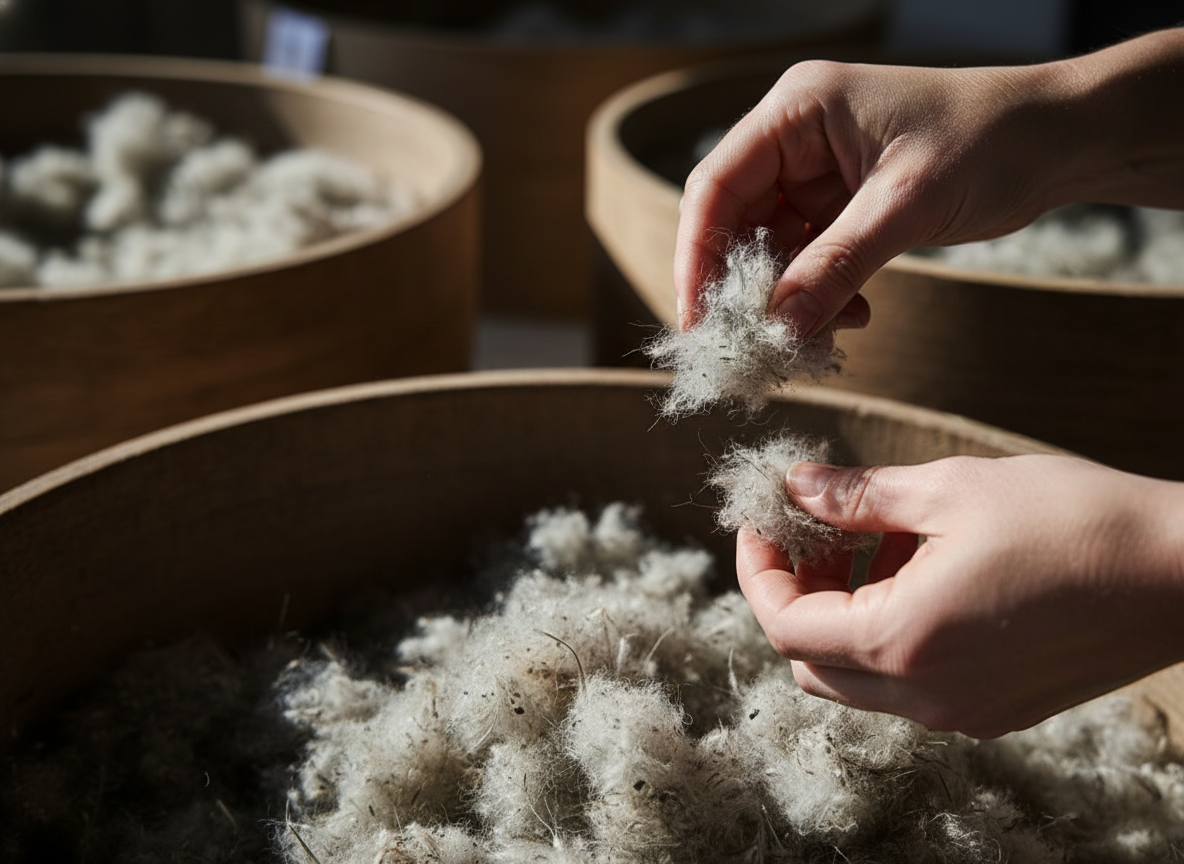
Cleaning & sorting
The raw down is mixed with debris (twigs, small feathers, etc.). It is gently cleaned, often with multiple stages of washing, drying, and hand-sorting, to separate pure down clusters.
4
Certification & testing
To ensure authenticity and purity, samples are sent for laboratory testing. Only certified down is used in luxury bedding.
5
Final craftsmanship
The refined down is sewn into covers (silk or cotton), each piece made to order. Precision stitching, design, and careful finishing complete the product.
Sustainability & Ethical Harvest
Because eiderdown is collected after the nest is abandoned,
there is no harm to the ducks — making it one of the more ethical down options.
The limited, small yield farming encourages sustainable practices, protecting both the species and its habitat.
In places like Iceland, eider duck populations are actively protected by law, and collecting practices are regulated.
Eiderdown compared to goose down
How does Icelandic eiderdown compare to other down fillings? The difference is in the warmth, weight, and care.
Feature
Insulation & Warmth
Moisture Resistance
Rarity & Cost
Ethical Collection
Longevity & Care
Purity & Testing
Eiderdown
Exceptionally warm yet featherlight
Naturally resistant due to fine oils
Extremely limited, only in select regions
Hand-collected from nests after ducks leave
Retains loft and softness for decades
Certified and tested for quality in Iceland
Goose down
Warm, but heavier and bulkier
Absorbs moisture more easily
Widely available, lower cost
Often byproduct of meat industry
Requires more frequent replacement
Varies widely by supplier